
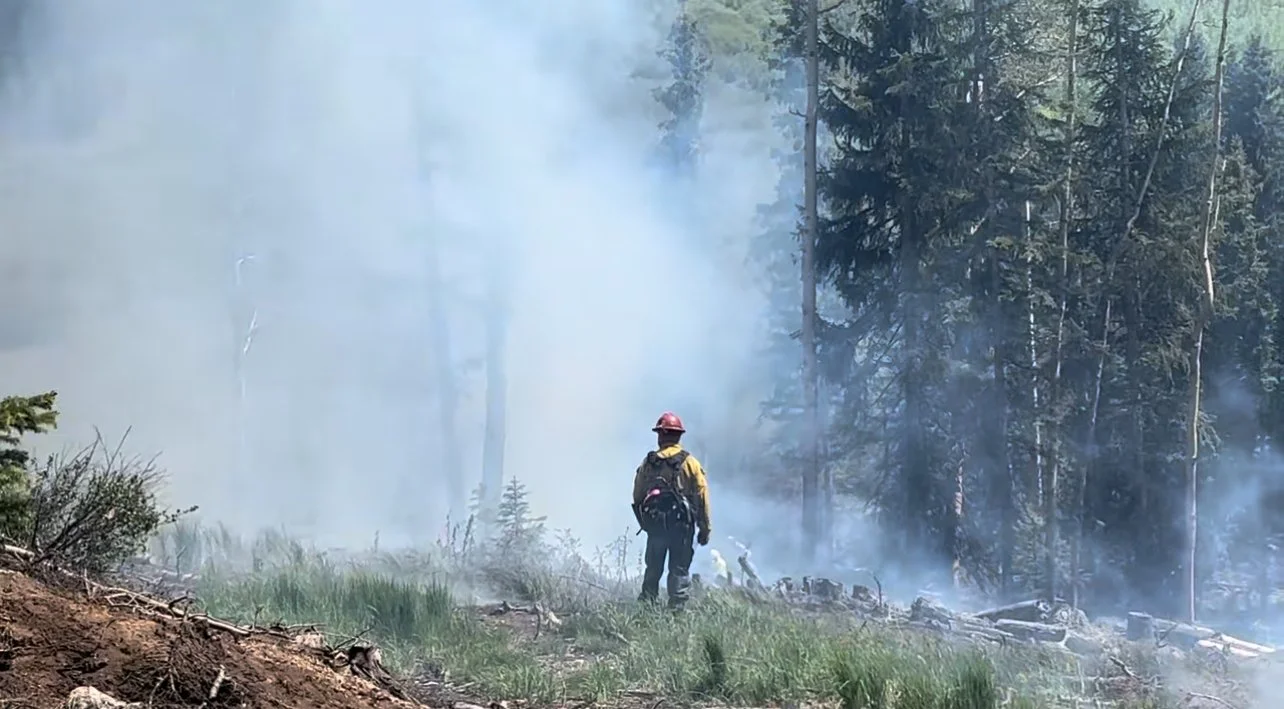
Wildfire Risk in the Telluride Region
These forests often contain dense stands of Spruce-Fir-Aspen growing at high elevation, frequently on steep terrain. Many areas contain closely spaced trees and ladder fuels that can allow wildfire to move from the forest floor into the canopy.
Drought cycles and warming temperatures across the West have also placed stress on many forests, increasing the importance of thoughtful vegetation management.
Because of these conditions, wildfire mitigation in Telluride often focuses on improving forest structure, increasing spacing between trees, reducing ladder fuels, and creating defensible space around homes.
These practices help reduce fire intensity while maintaining the beauty and ecological health of the surrounding forest.
Telluride Arborist provides wildfire mitigation and defensible space services throughout the Telluride region.
Most homes lost to wildfire ignite from embers, not flames.
Homes throughout the Telluride region sit within beautiful mountain forests that are part of what makes the San Juan Mountains so special. These forests shape the character of our communities and the landscapes we love. At the same time, they place many properties within what is known as the wildland urban interface, where homes and structures meet natural forest and vegetation.
In these areas, homes are more vulnerable to wildfire. It is important to understand that most homes lost during wildfires are not destroyed by large flames moving through the forest. Instead, they often ignite from wind carried embers that can travel long distances and land on roofs, decks, wood piles, or dry vegetation near structures.
When wildfire reaches a community, the small details around a home often determine what survives.
The encouraging news is that practical steps taken today can significantly reduce the chance that a home ignites during a wildfire. Understanding how wildfire behaves and how homes ignite is the first step in preparing our homes, properties, and communities to live more safely with wildfire in the mountain landscapes we call home.
For more than 20 years, Telluride Arborist® has worked in the forests of Telluride and the San Juan Mountains helping homeowners care for trees, manage vegetation, and improve wildfire resilience. Because we work in these forests every day, we see firsthand how the details around homes, trees, and woody material influence whether structures ignite during wildfire.
Our work follows:
Firewise USA® principles
Colorado State Forest Service defensible space guidelines
Home Ignition Zone (HIZ) best practices

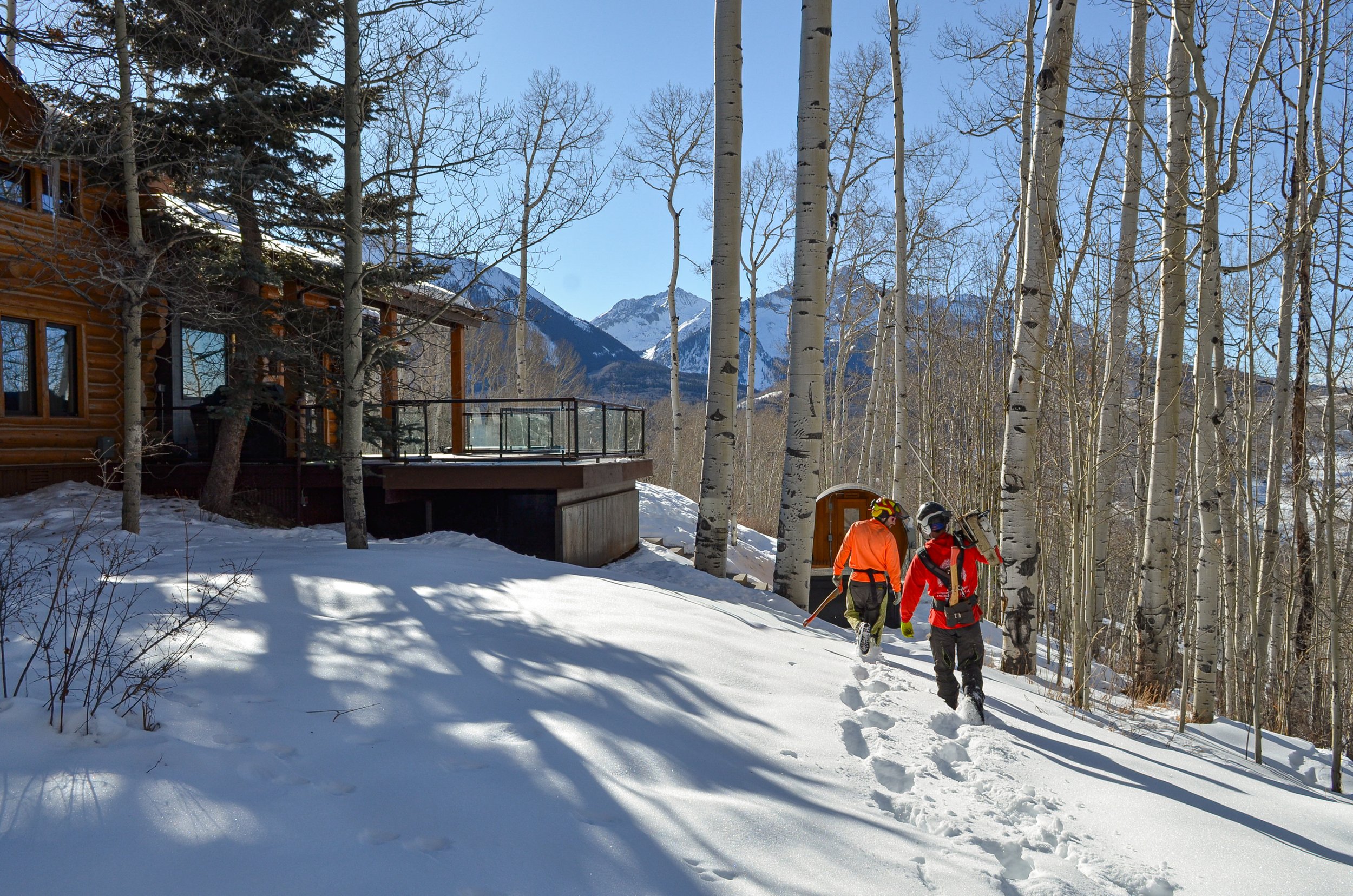
What is wildfire mitigation?
Wildfire mitigation isn’t complicated: it simply means managing vegetation, trees, shrubs, and other combustible materials around your home so wildfire has less to burn and your home has a better chance of staying safe.
Wildfire does not have to reach your house to ignite it. Embers can travel miles ahead of the fire.
In mountain communities like ours, most homes lost during wildfires ignite from embers, not flames.
What Many Homeowners Overlook
Many homeowners focus on the house itself, but often overlook one of the most important parts of wildfire preparedness: access.
Driveways and access roads need to remain clear so homeowners can evacuate safely and firefighters can reach the property if needed. Overgrown trees, low hanging branches, and dense vegetation along driveways can slow evacuation and make it difficult or dangerous for emergency vehicles to enter.
Wildfire mitigation often includes pruning trees along driveways, removing ladder fuels, and creating adequate clearance for vehicles and equipment. Keeping access routes open and well maintained helps improve safety for both residents and firefighters during a wildfire.
Firefighters cannot protect a home they cannot safely reach.
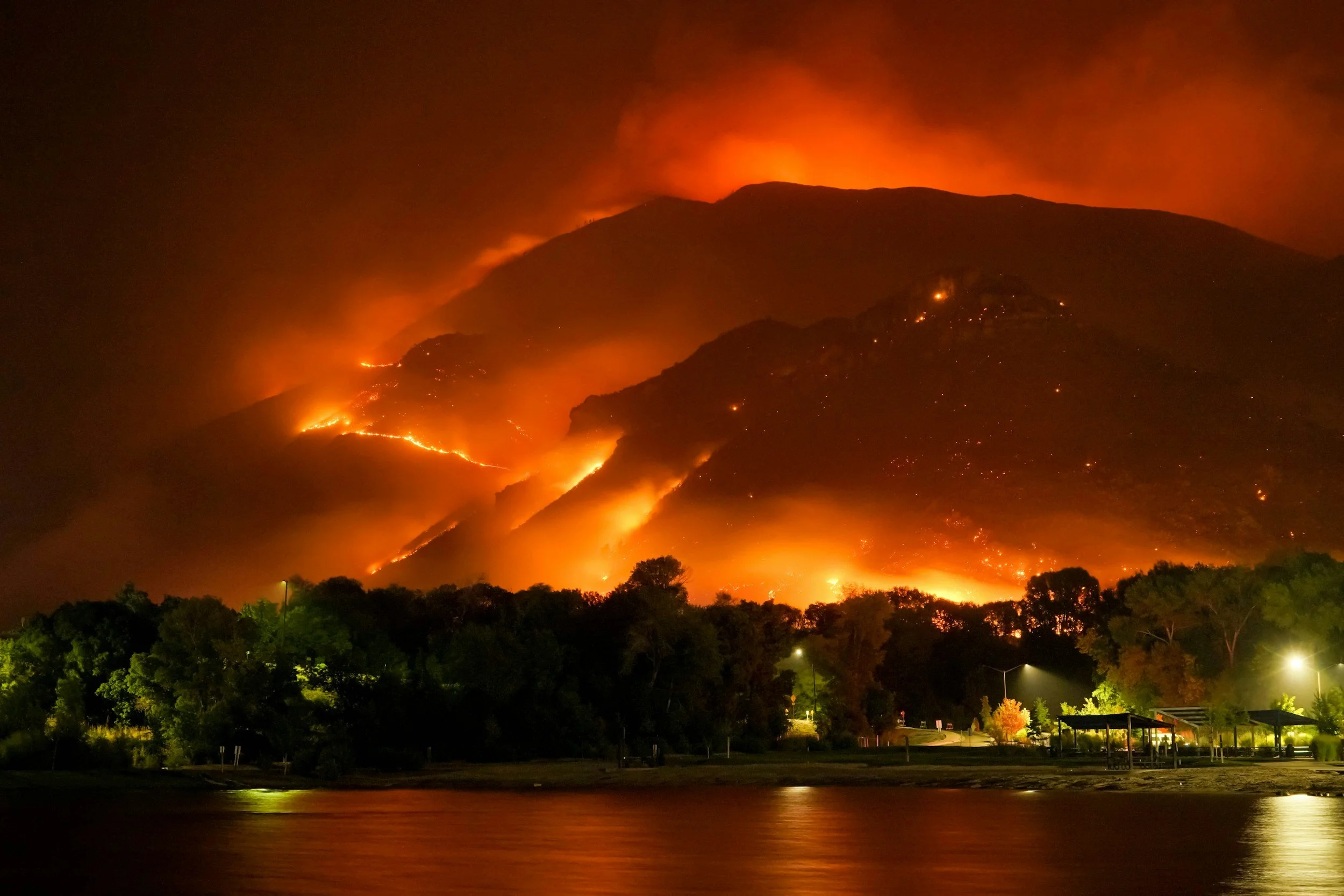
During a wildfire, strong winds created by the fire can carry burning embers miles ahead of the flames. This is called ember cast. Embers can land on homes or in surrounding vegetation long before the fire front arrives.
If embers land in dry leaves, pine needles, shrubs, or other combustible materials near a structure, they can ignite small fires that spread to decks, siding, or roofs.
Trees can also create pathways for fire if branches are too close to a home. Limbs that overhang roofs, eaves, or touch siding can allow embers or flames to ignite the structure more easily.
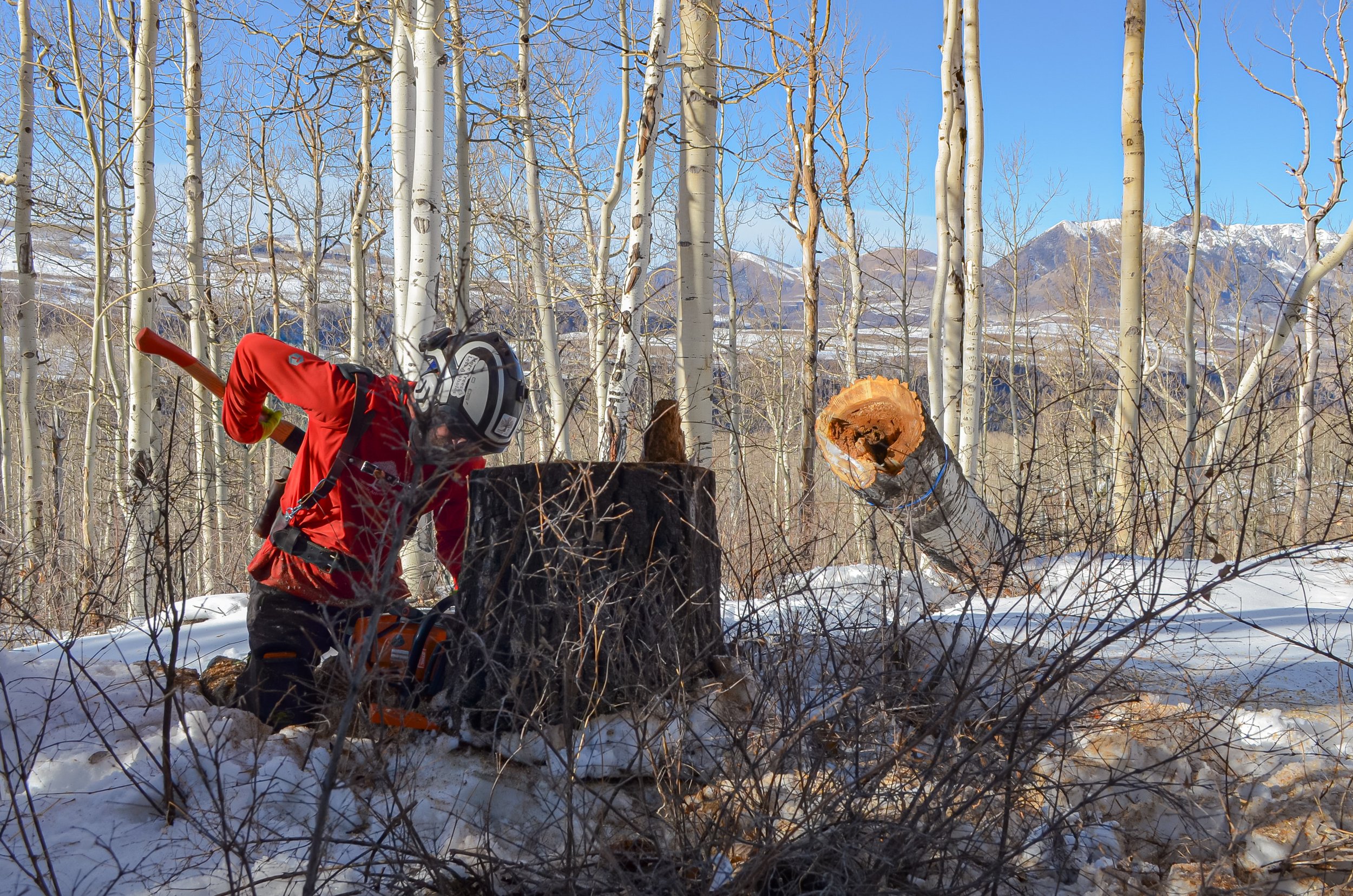
This is why arborists often recommend pruning branches away from roofs, eaves, chimneys, and vents, and creating space between trees and structures. Managing vegetation this way helps reduce the chance that embers will ignite a home during a wildfire.
Think like an ember
Imagine you are a glowing ember carried on the wind during a wildfire. Where might you land?
• in a gutter filled with dry spruce needles
• under a deck where leaves have collected
• in wood chips beside a foundation
• in dry vegetation touching the home
Wildfire preparation often comes down to removing the places where embers can settle and ignite combustible material.
When those vulnerable spots are eliminated, homes are far more likely to survive wildfire.
Why the First 5 Feet Around Your Home Matters
Wildfire preparedness often begins with the concept of defensible space. This refers to the area surrounding a home where vegetation and combustible materials are managed to reduce wildfire risk. In many wildfire prone areas, defensible space guidelines recommend creating and maintaining treatment zones that extend up to 100 feet from structures.
These zones are designed to reduce the intensity of wildfire as it approaches a home and to limit the amount of vegetation and fuel that could carry fire toward structures.
However, research increasingly shows that the first five feet around a structure is the most critical area for preventing home ignition during a wildfire.
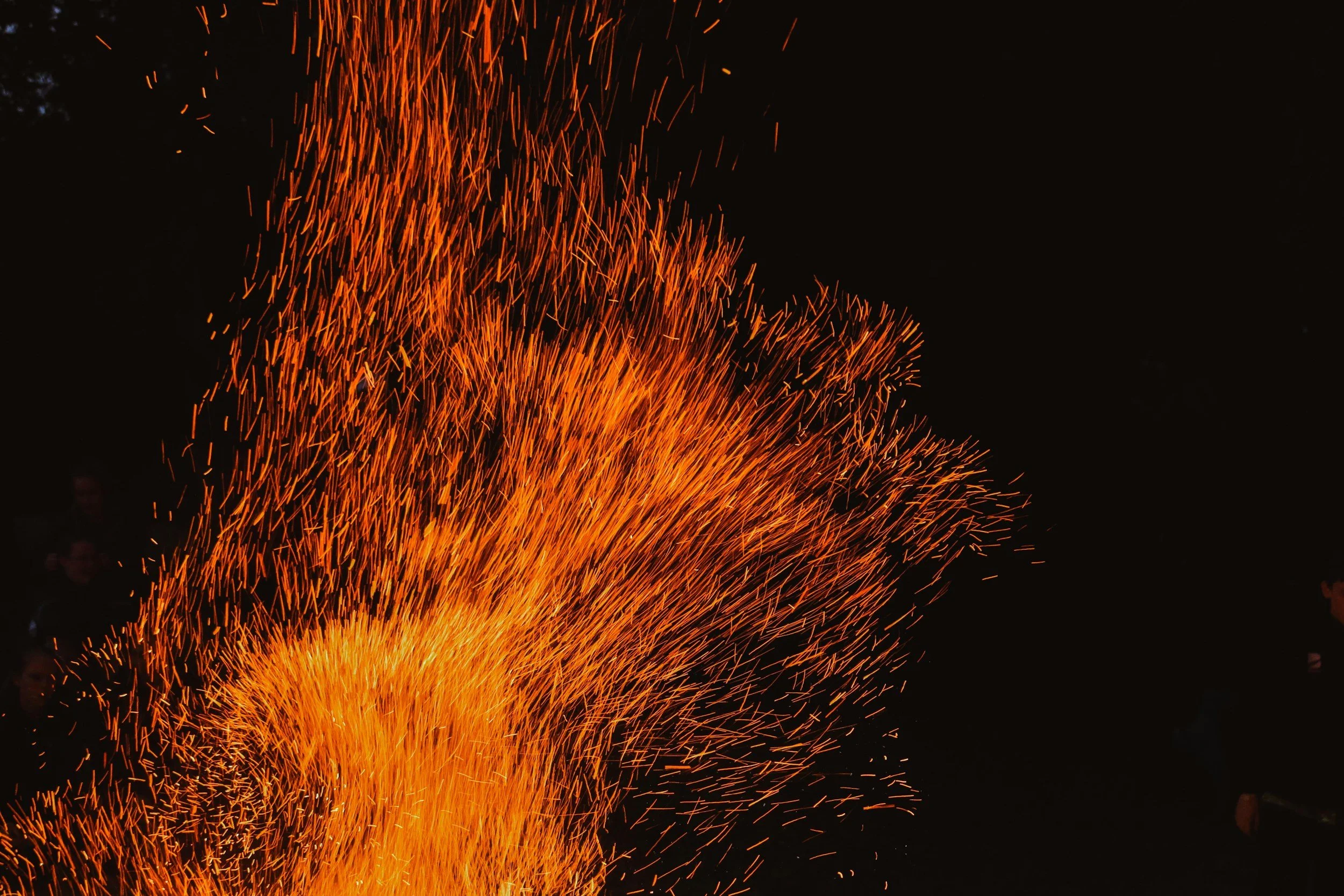
Wind carried embers can land close to a building and ignite dry vegetation, wood mulch, firewood, or other combustible materials placed directly next to the structure. When materials near the home ignite, flames can quickly spread to siding, decks, and other parts of the building.
How can I reduce wildfire risk around my home in Telluride?
Keeping the first 5 feet around a home free of combustible materials greatly reduces the chance that embers will ignite a structure.
Creating and maintaining this small noncombustible zone is one of the most effective steps homeowners can take to protect their homes during a wildfire.
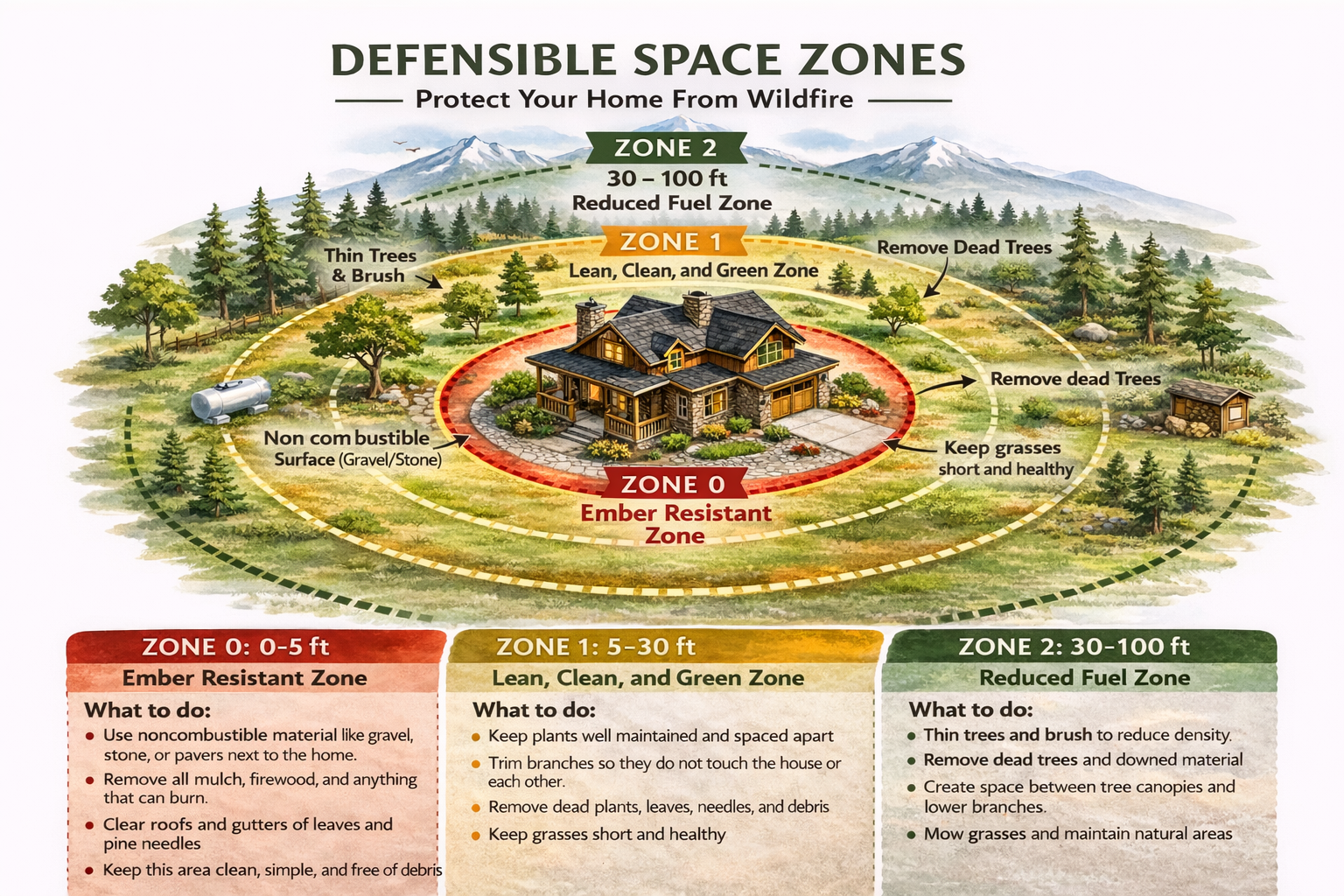
Understanding Defensible Space Zones
Wildfire preparation often uses a series of zones that extend outward from a home. Each zone focuses on reducing fuels and improving vegetation conditions in different ways.
A simple way to think about it
Clean around the house.
Create space.
Reduce fuel.
Easy Steps you can Take Right now
Protecting your home from wildfire starts closest to the structure and works outward. Small changes make a big difference.
0 to 5 feet from your home: Ember Resistant Zone
Zone 0
Start right at the house. This is the most important area.
What to do:
Use noncombustible materials like gravel, stone, or pavers next to the home
Remove all mulch, firewood, and anything that can burn
Clear roofs and gutters of leaves and pine needles
Keep this area clean, simple, and free of debris
5 to 30 feet: Lean, Clean, and Green Zone
Zone 1
Create space and reduce fuel around your home.
What to do:
Keep plants well maintained and spaced apart
Trim branches so they do not touch the house or each other
Remove dead plants, leaves, needles, and debris
Keep grasses short and healthy
Clear stored items, debris, and dry vegetation from beneath decks and stairs.
30 to 100 feet: Reduced Fuel Zone
Zone 2
Manage the surrounding forest to slow fire spread.
What to do:
Thin trees and brush to reduce density
Remove dead trees and downed material
Create space between tree canopies and lower branches
Mow grasses and maintain natural areas
Defensible Space Beyond the Home
Wildfire does not recognize property lines. The work we each do on our own land plays a role in protecting our neighbors as well. When communities come together to create defensible space, small individual efforts add up to meaningful protection for everyone.
The Stoner Mesa Fire near Rico last summer, at over 9,000 acres, was a clear reminder that wildfire is part of our landscape. Now is the time to be ready, and the steps we take today, together, can help protect our homes, our neighbors, and the forests we all share.
Wildfire Mitigation Services
Telluride Arborist works with homeowners, HOAs, municipalities and land managers throughout the region to evaluate properties and implement practical strategies that improve wildfire resilience.
Our services include:
-
On-site evaluations of vegetation conditions around homes with practical recommendations for reducing wildfire risk.
-
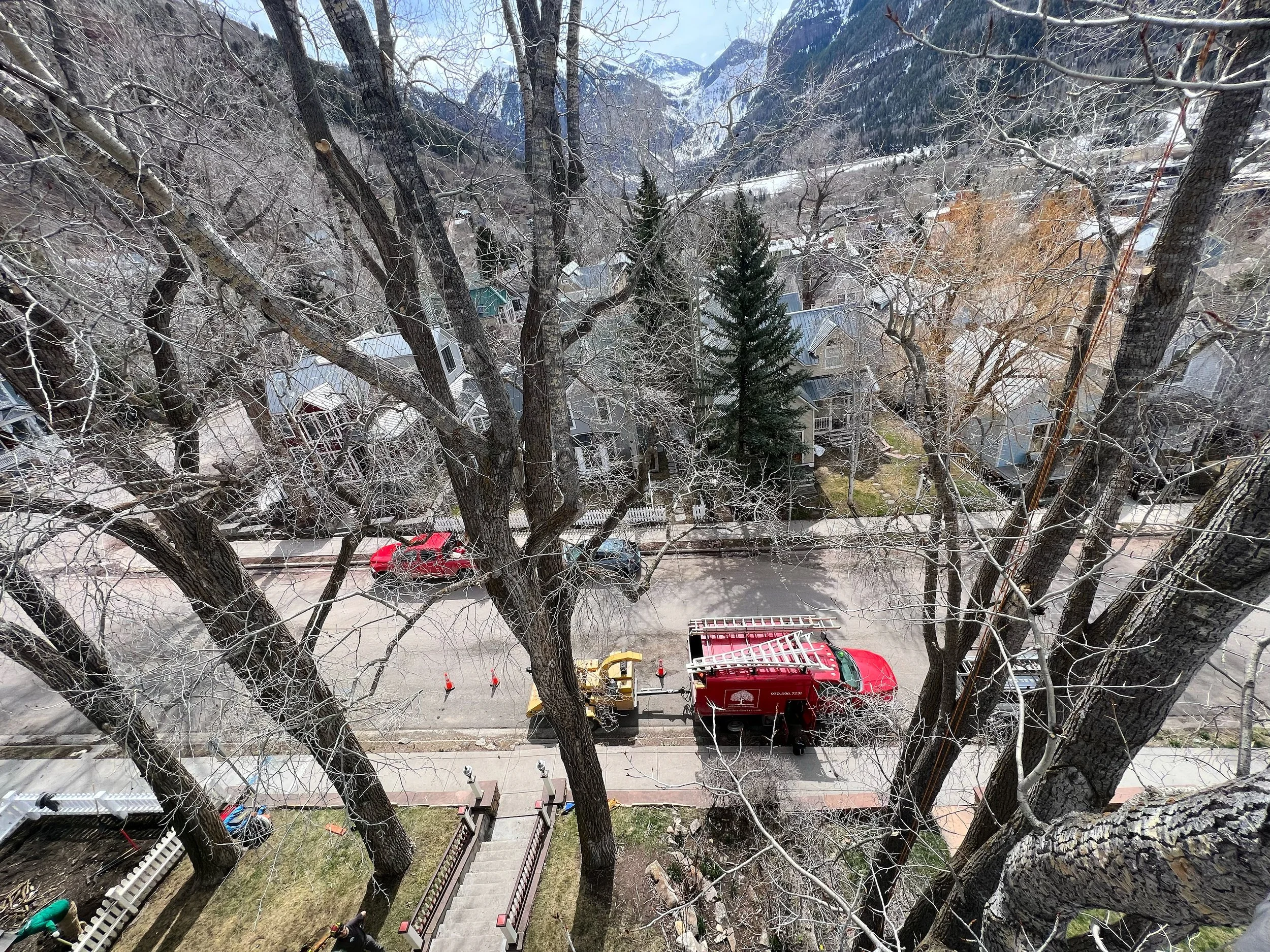
Selective pruning to remove lower branches that can carry fire into tree canopies.
-
Carefully reducing tree density to improve spacing and reduce fuel continuity across the landscape.
-
Removal of declining or dead trees that contribute to wildfire hazard.
-
Chipping, hauling, or processing woody debris generated during mitigation work.
-
Support for larger wildfire mitigation efforts across neighborhoods and communities.
More about our process
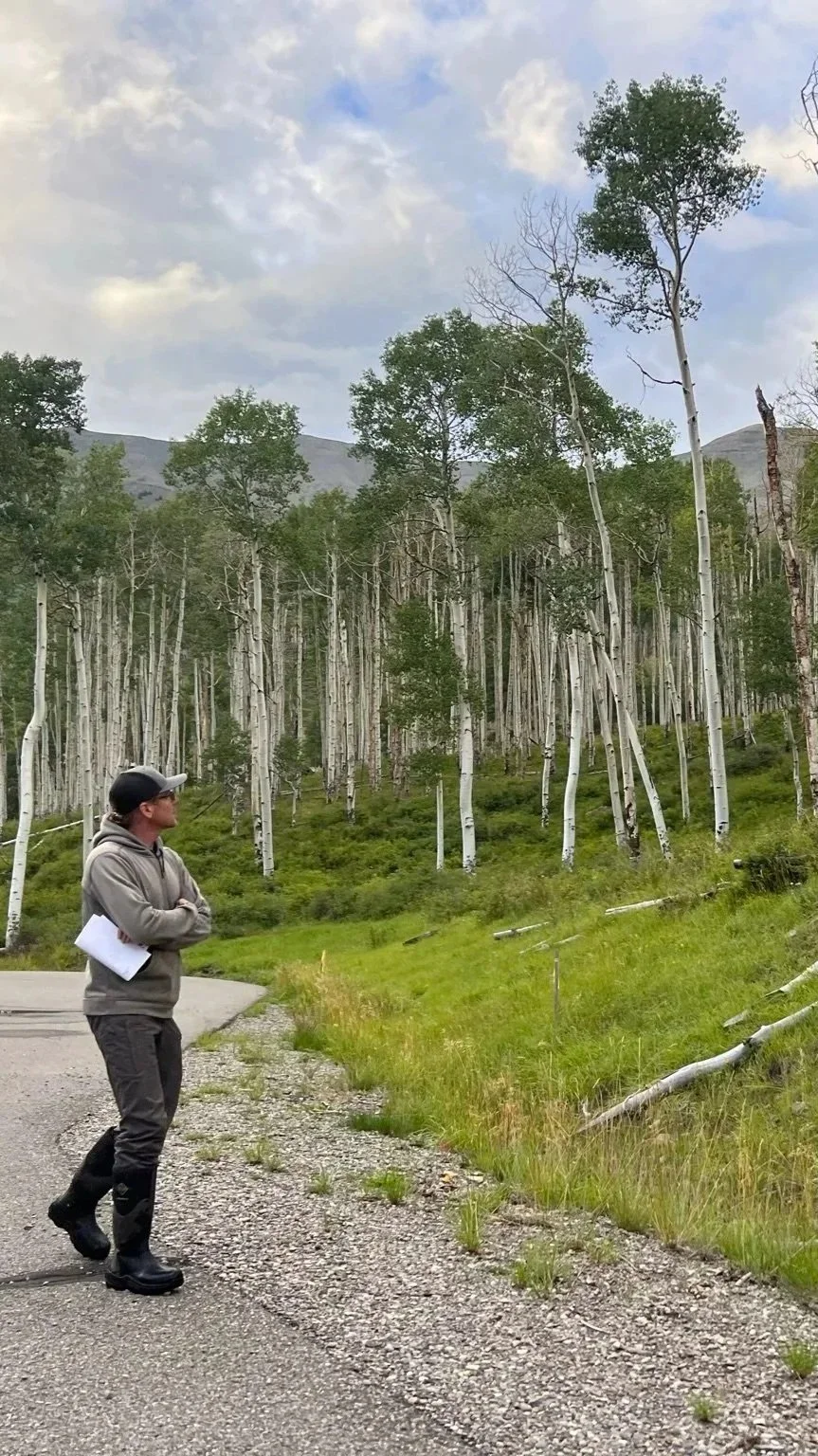
Working With HOAs and Communities
Many neighborhoods in the Telluride region are located within forested landscapes where wildfire risk extends across multiple properties.
Because fire does not recognize property boundaries, mitigation is often most effective when communities work together to improve forest conditions across larger areas.
Telluride Arborist has experience supporting community-scale wildfire mitigation projects, including
planning level mitigation estimates
vegetation management strategies
coordination with property owners and HOAs
implementation of mitigation work across multiple properties
Community coordination can help neighborhoods reduce wildfire risk while maintaining the beauty of the surrounding forest.
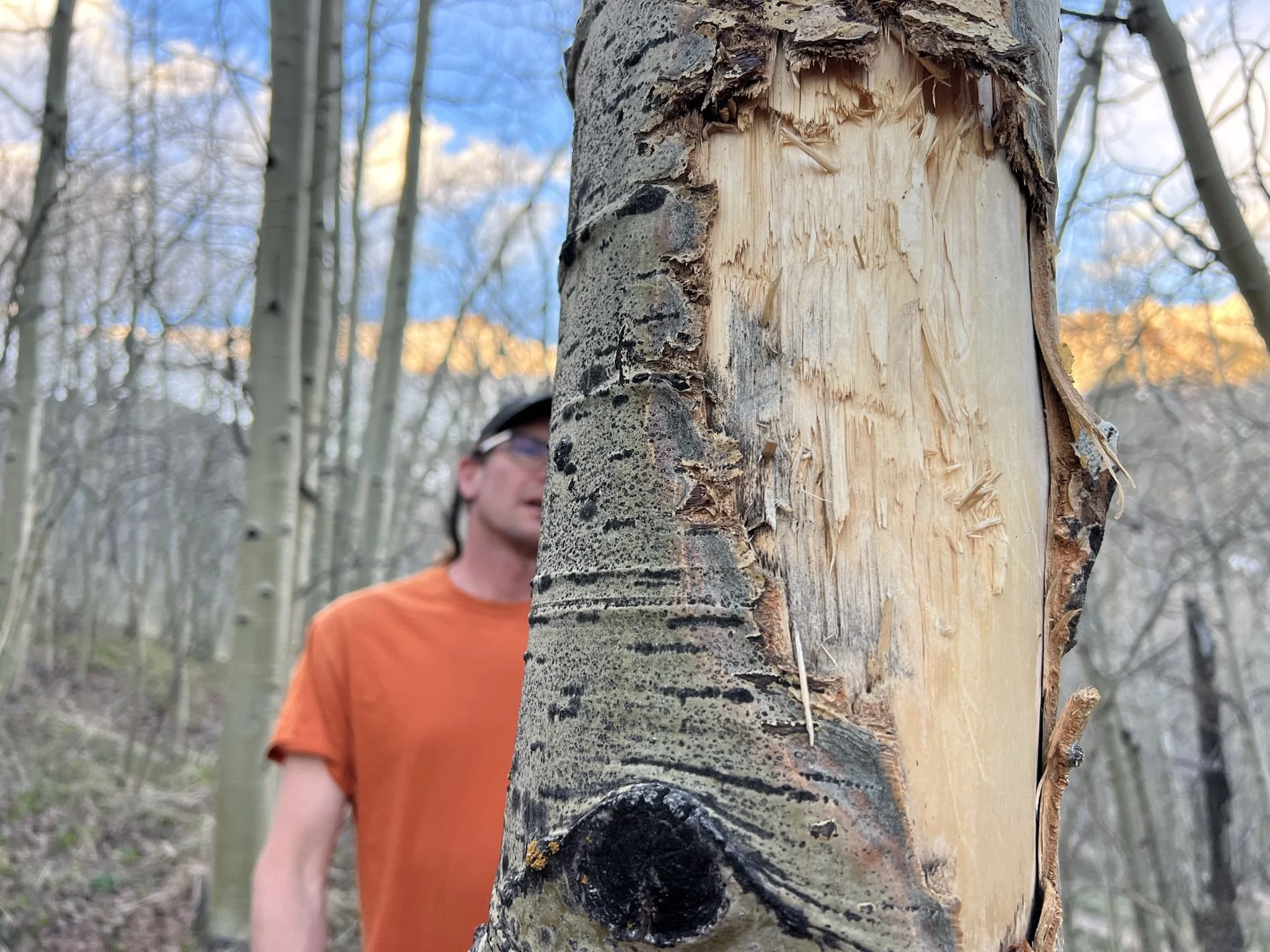
What We Look For on a Property
When evaluating a property for wildfire resilience we consider several factors that influence how fire and embers interact with homes and surrounding forests.
These include:
tree spacing and forest structure around buildings
the presence of ladder fuels that could carry fire into tree canopies
accumulations of dead woody material or debris
vegetation conditions within the first five feet of structures
rooflines, gutters, and structural areas where embers could accumulate
the health and stability of trees near homes and access routes
Each property is different. In many cases improving wildfire resilience involves a series of small, thoughtful adjustments rather than large changes to the landscape.
Work with Us
telluride arborist®
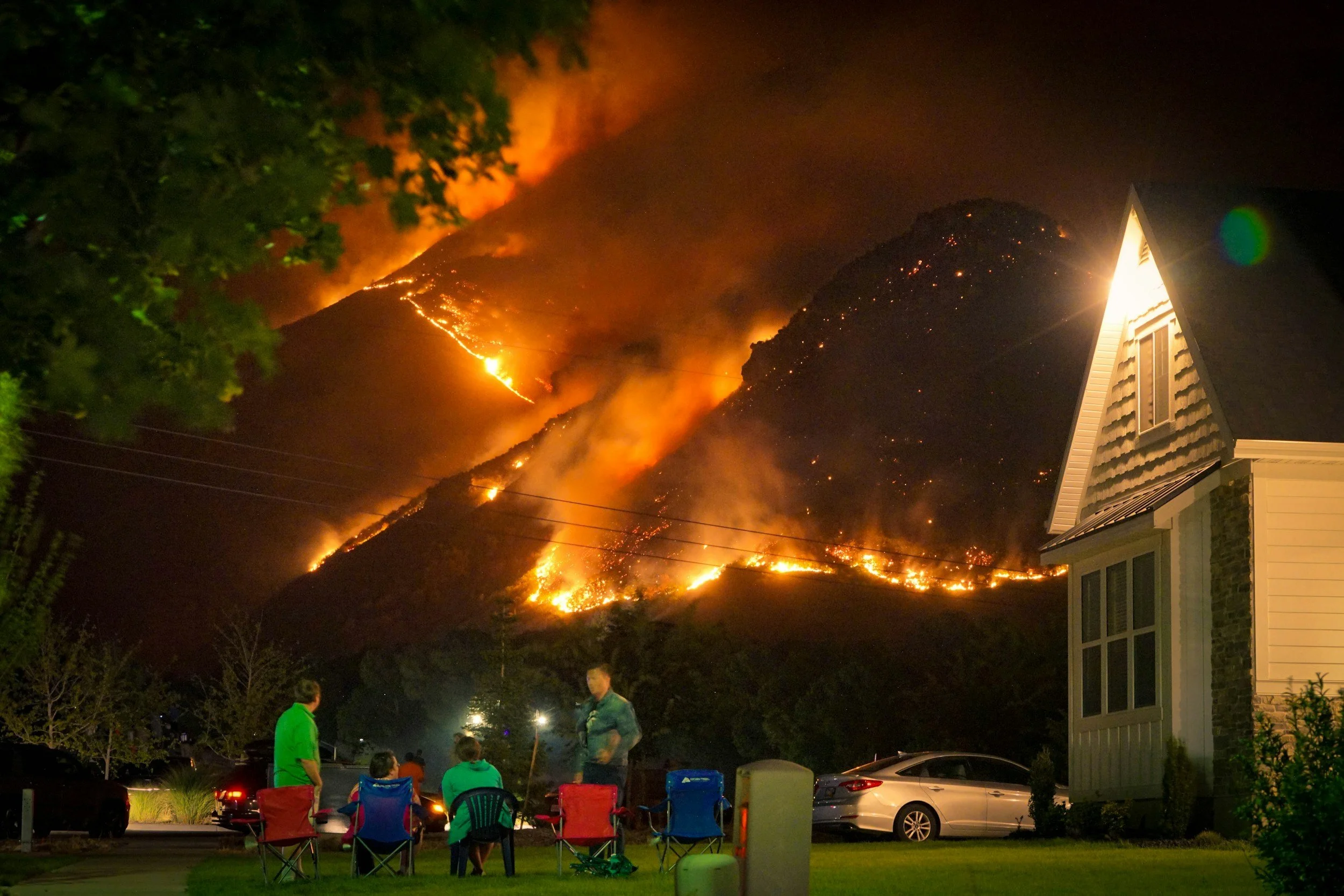
Keep fire Away
Wildfire Mitigation, Informed by Experience
Every property here is different. The trees, the slope, the wind, and how fire moves across your land all matter.
We’ve been doing this work in the San Juan Mountains for over 20 years, caring for many of these properties through changing seasons, conditions, and ownership. That continuity gives us a deeper understanding of how these landscapes evolve and how to care for them well.
We live here. We work here. We care deeply about these forests and this community.
By walking properties and looking closely, we help you make practical decisions that truly fit your land and your home. From assessment through on-the-ground work, we focus on what will make a meaningful difference.
We can help you:
• understand where your home is most vulnerable
• create meaningful defensible space without overclearing
• care for trees while improving forest structure
• take practical steps now while planning for the long term
If you’d like a thoughtful, real-world perspective on your property, we’d be glad to connect.